


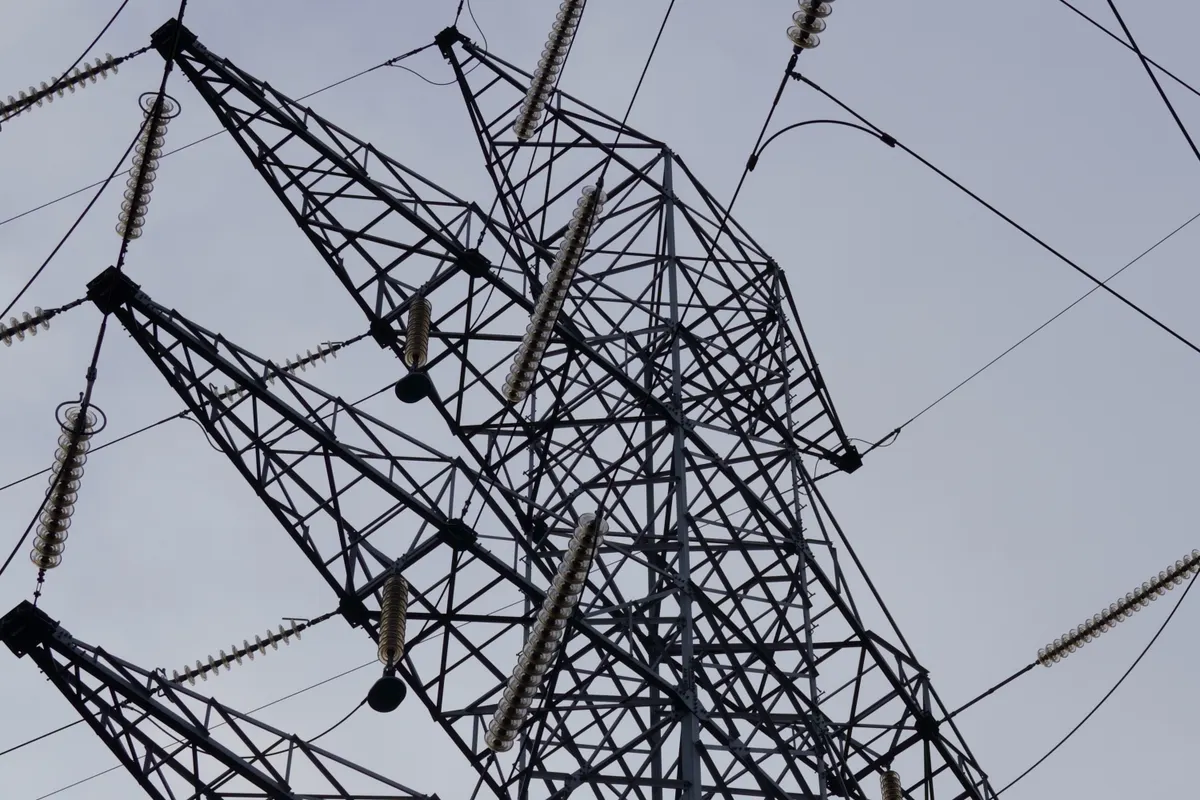
The extreme heat financial risk that once seemed a distant concern for environmental specialists is now, according to Dr Alejandro Martí, CEO and co-founder of Mitiga Solutions, landing directly on company balance sheets, affecting earnings, credit quality and, ultimately, the returns that UK investors depend upon in retirement.
Martí’s firm is a science-first climate-risk intelligence company and a spin-off of the Barcelona Supercomputing Center, giving it deep computational roots that inform how it models physical hazards. The question for a portfolio manager or SIPP holder is straightforward: if heat stress is already affecting profit and loss, does your current asset allocation reflect that?
How Extreme Heat Financial Risk Moves from Weather Event to P&L Line
Unlike a flood, which inundates a basement, or a wildfire, which destroys a property outright, heat rarely produces a single, insurable loss event. Instead, its effects accumulate. Heat stress reduces labour productivity and limits people’s ability to work outdoors, creating a clear operational impact. Energy grids come under pressure: in Spain and Portugal, extreme heat has contributed to grids overheating, disrupting electricity supplies and preventing businesses from operating.
Tourism provides an early case study. Travellers are already changing their destinations because temperatures may become unbearable, affecting cashflows and asset valuations for hoteliers and leisure operators. The tourism sector is not alone. Agriculture is exposed through drought risk and productivity losses, while logistics and transport face operational constraints during prolonged heat events.
Martí is direct about the implication for financial professionals: ‘Climate risk is already in your P&L. The question is whether you know it.’ For advisers managing drawdown portfolios or overseeing a client’s self-invested pension, that framing shifts the conversation away from ethics and towards measurable operational exposure.
Sectors Under Pressure and the Diversification Question
The energy sector, Martí argues, is likely to feel the impact first. Infrastructure was not designed for the demand levels now emerging. By 2035, data centres are expected to account for a significant share of Europe’s energy consumption, all of them heavily dependent on cooling. Some are being built in locations that, given their heat exposure, make little operational sense over a ten-to-twenty-year horizon.
For investors, this raises questions that go beyond simple stock selection. If a portfolio holds assets in manufacturing, agriculture, logistics and energy infrastructure that all depend on the same regional grids or supply chains, the diversification benefit may be smaller than it appears. Physical climate risk can concentrate exposure in ways that traditional asset-class analysis does not capture.
Martí notes that some asset managers are responding by moving away from traditional insurance towards alternative risk-transfer tools, including cat bonds and parametric insurance, while retaining some collateral themselves. In manufacturing, physical climate risk is increasingly factored in before a company opens a facility, with one car manufacturer Martí cited incorporating it into the design process rather than treating it as an afterthought once operations begin.
Tools for Quantifying the Risk Before It Reaches the Balance Sheet
Mitiga’s EarthScan™ platform, designed to translate physical hazard data into portfolio-level financial exposure, offers global coverage across more than 180 countries, drawing on data from over 100,000 weather stations, according to Mitiga Solutions. The tool allows an adviser or asset manager to assess an entire portfolio, identify climate risks by location, quantify potential financial impact and determine what adaptation measures may be needed.
Martí is clear that the analytical framework itself needs updating. Relying solely on historical stochastic models carries sequence-of-returns risk of a different kind: the assumption that what was climatically true a decade ago will remain true a decade hence. Locations that are currently viable during certain seasons may become progressively difficult to operate in, affecting both capital values and income reliability.
Conversations with financial advisers have already shifted, Martí observes, moving from regulatory compliance frameworks towards making assets more resilient and investments more effective. Embedding climate intelligence early in financial decisions, rather than waiting to collateralise or mitigate the risk after it has crystallised, is where he argues the value lies for long-term investors.
