


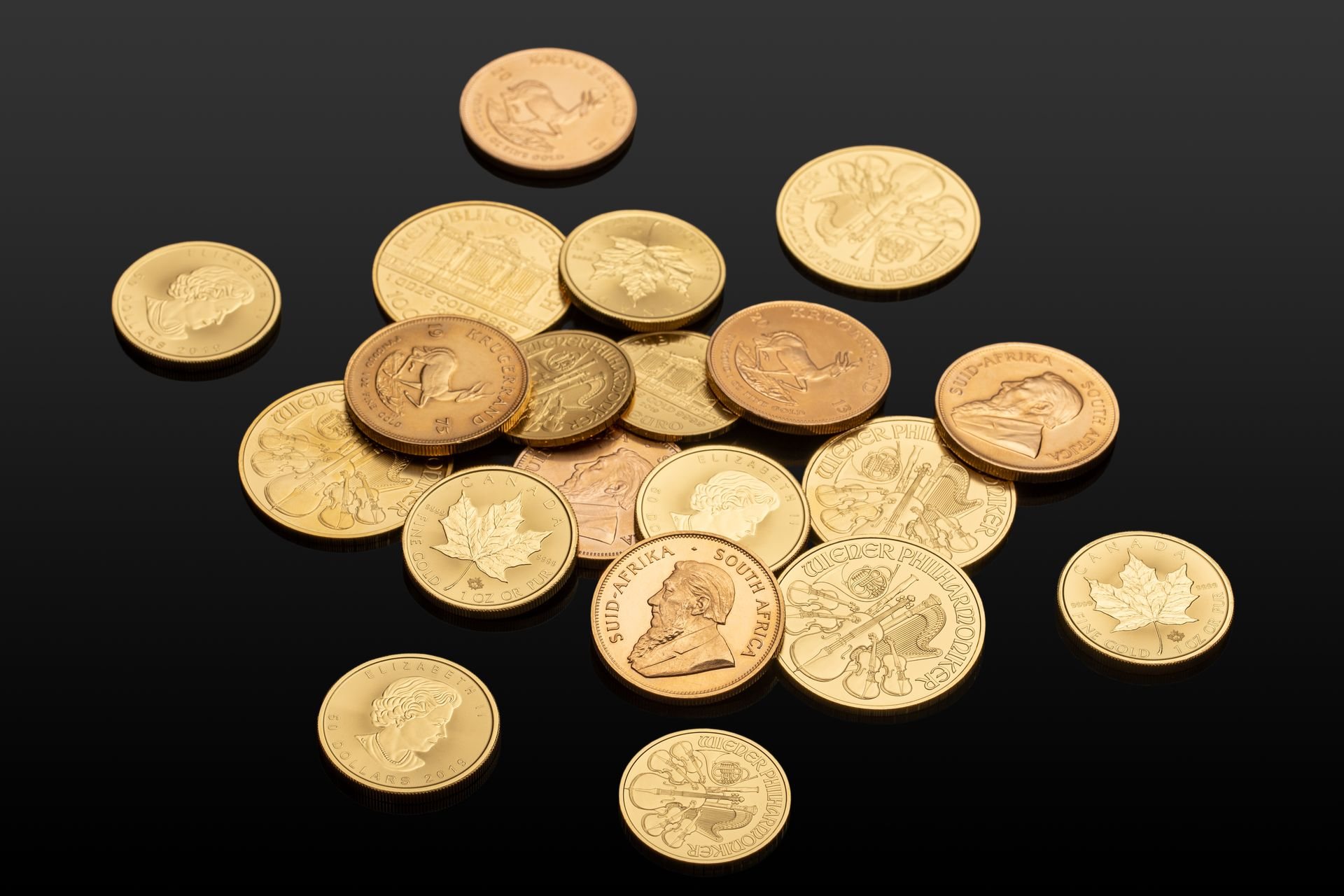
Gold IRAs occupy an unusual corner of retirement investing. They let you hold physical precious metals in a tax-advantaged account, but you can’t open one through a standard brokerage. Instead, you go through a specialized dealer, a custodian and an approved depository. That extra machinery is exactly why choosing the right company matters, and why the differences between providers are larger than they first appear.
When Forbes Advisor built its 2026 ranking of the best gold IRA companies, it scored 20 firms across 25 criteria before narrowing the list to 10. Those criteria are a good map of what to look at yourself. Here’s how to work through them.
1. Fees and account minimums
Fees are where a gold IRA’s returns are quietly won or lost. A gold IRA typically involves a setup fee, an annual custodian fee, and annual storage fees at the depository, all separate from the price of the metal itself. At some firms, the first year’s custodian fees are waived above a certain deposit. Others charge from day one.
Ask for the full fee schedule in writing, and note the minimum required to open an account. Minimums vary widely across the industry, from no minimum at some dealers to $10,000 or more at others. Forbes Advisor weighted account minimums and transaction fees at 20% of its score, behind only coin availability and tied with consumer sentiment.
2. The spread on the metals you actually want
The “spread” is the gap between what you pay to buy a coin or bar and what you’d receive to sell it back. It’s often a bigger real cost than the annual fees, and it varies by product. The spread on a common gold bar can differ sharply from the spread on a Gold American Eagle.
Because spreads aren’t always advertised, ask directly about the buy-and-sell prices on the specific metals you’re considering. Forbes Advisor built a portion of its scoring around exactly this comparison.
3. Coin and metal availability
The IRS approves four metals for IRAs: gold, silver, platinum and palladium. But not every dealer offers all four, and product selection ranges from a handful of coins to broad catalogs of coins, bars and rounds. If you want to diversify across metals or hold particular sovereign coins, confirm they’re available before you commit. Forbes Advisor gave coin availability the single heaviest weight in its methodology, at 25%.
4. Custodian flexibility
A self-directed IRA requires an IRS-approved custodian, and firms differ in how much choice they give you. Some partner with a single custodian; others let you choose among several, which can matter for fees and service. Neither model is automatically better, but knowing which one a company uses, and whether you can bring your own custodian, is worth asking up front.
5. Consumer sentiment and reputation
Reviews and complaint records reveal what marketing can’t. Forbes Advisor built a Consumer Sentiment Index from thousands of customer insights, scoring firms on customer service, user interface, fees, reliability and overall satisfaction. You can do a lighter version yourself: check the Better Business Bureau rating, read recent reviews, and watch for recurring themes. The ones to weigh most heavily are high-pressure sales tactics, pricing surprises, and delivery or buyback problems, which are among the complaints most often raised about the industry.
6. Track record and stability
How long a company has operated is a reasonable proxy for whether it will still be around when you sell, and that tends to get overlooked, since a gold IRA is a long hold that usually ends in retirement. Forbes Advisor folded tenure and BBB rating into a “company profile” score. In its 2026 review, the publication highlighted Lear Capital for longstanding experience, noted it was the longest-running firm on the list at nearly 30 years, and gave it 4.5 stars. Treat tenure as a stabilizing factor to weigh alongside fees and spreads, not a stand-alone reason to choose a provider.
Putting it together
A sensible way to shortlist:
- Rule out any firm below an “A” BBB rating or with a minimum you can’t meet.
- Get full fee schedules and the specific spreads on the metals you want, in writing.
- Compare custodian options and confirm the metals you want are available.
- Read recent customer reviews for patterns, good and bad.
- Use company tenure and reputation as tiebreakers among the finalists.
No single provider wins on every dimension. The Forbes Advisor rankings themselves show firms trading places depending on which criterion you weight most. The best choice is the one whose strengths line up with what matters most for your situation, whether that’s the lowest fees, the widest selection, or a long operating history you can count on at sell time.
