


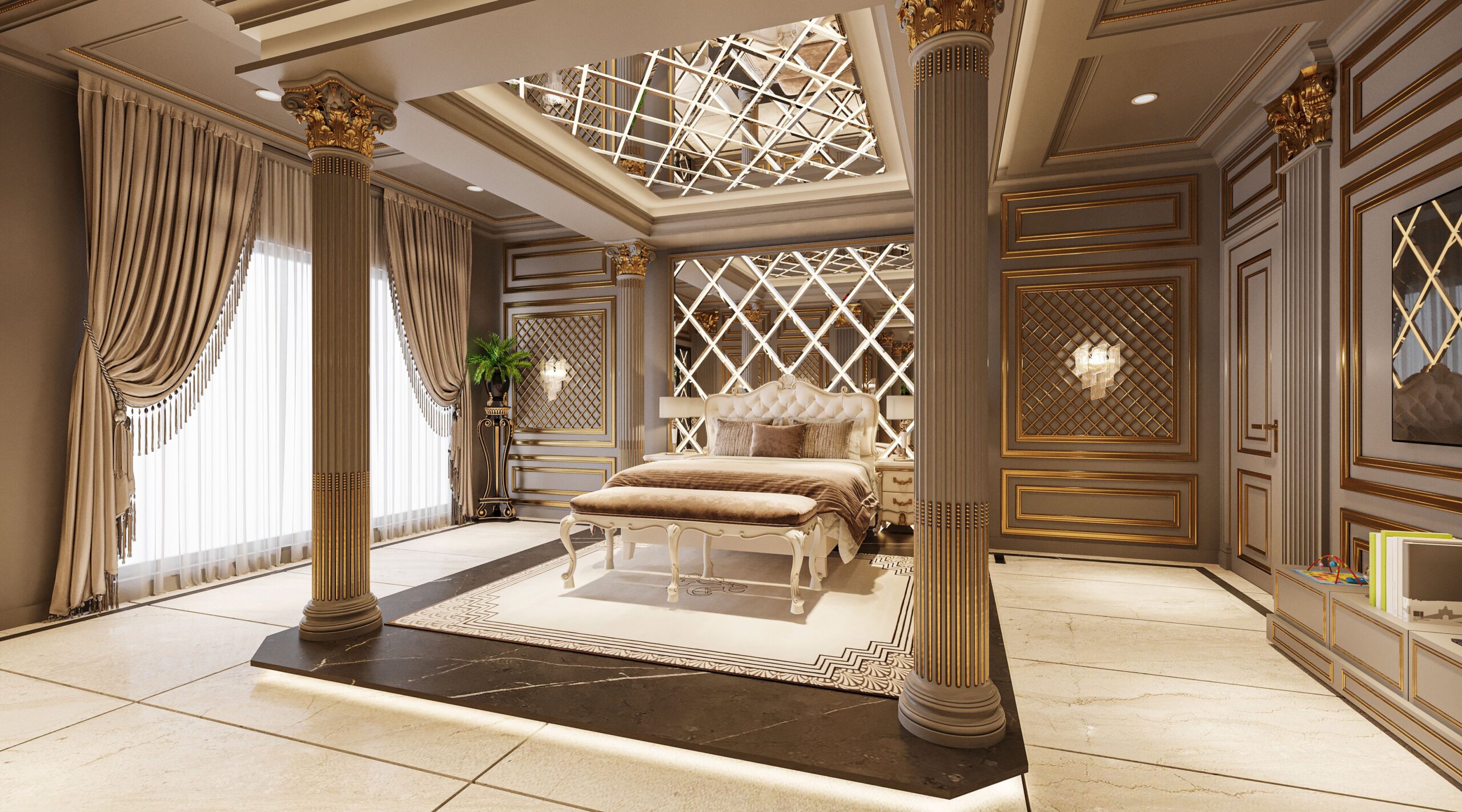
There was a time when ultra-prime interior design followed a familiar, high-gloss formula. A sweep of book-matched Calacatta marble in the master suite, a cluster of instantly recognisable velvet chairs in the living room, and a glittering statement chandelier over the entrance hall. It was certainly luxurious, but it was also oddly anonymous — an off-the-peg aesthetic that shouted about wealth while saying very little about the person actually living there.
That era is fading. Today’s global elite are quietly stepping away from overt, showy status symbols. In their place is a growing appetite for what many design insiders now call “narrative luxury”: interiors that do more than look expensive. These are homes that feel deeply considered, highly personal, and unmistakably tied to the owner’s story.
The Challenge of Scale
Ultra-prime properties present a particular design dilemma. Expansive lateral apartments in Mayfair or sprawling estates in the Home Counties can easily slip into the mood of a luxury hotel showroom — polished, impressive, and strangely devoid of soul. When you are working with thousands of square feet, a standard “luxury package” of furniture and finishes quickly feels hollow and impersonal.
To understand how today’s high-net-worth individuals (HNWIs) are responding to this shift, we spoke with the design team at Wild LouLou, an interior design practice and highly selective marketplace that works exclusively at the very top of the market.
“The modern affluent buyer isn’t trying to impress their peers with recognisable brand names; they want to be surrounded by stories,” they explain. “Luxury is no longer about what you can pick up straight from a premier showroom floor. It’s about the hunt. It’s about a 19th-century reclaimed brutalist sculpture sitting effortlessly beside a custom, avant-garde Italian sofa. True personalisation is creating a home that simply cannot be duplicated anywhere else.”
The Curated Hunt
According to Wild LouLou, achieving that calibre of personalisation demands both rigorous spatial planning and an almost obsessive approach to sourcing. It is one of the reasons they launched their own digital marketplace alongside the studio — a platform that gives clients direct access to rare, artisan-made and hard-to-find pieces that never touch the usual luxury channels.
When working with HNWIs, they have seen the design process evolve into something far more collaborative and art-led. Rather than starting with a catalogue of finishes, conversations now begin with collections, memories and long-term aspirations for the space. From there, Wild LouLou builds around three key pillars that define the new, personalised ultra-prime interior:
- Bespoke materiality: Moving away from uniform polished finishes in favour of tactile, hand-applied textures — micro-cement, tadelakt, raw timbers with visible grain — that grow more characterful over time.
- The mixing of eras: Deliberately setting contemporary engineering and clean-lined forms against historical or mid-century pieces so rooms feel layered, collected and quietly evolved rather than perfectly “installed.”
- Micro-curation: Designing bespoke joinery and architectural moments around very specific personal collections, whether that means rare vintage watches, cutting-edge contemporary art or a carefully assembled selection of ceramics.
A Canvas for the Soul
“When you are designing for people who have seen almost everything and can afford virtually anything, the real luxury becomes scarcity and alignment,” Wild LouLou notes. “A home should read like an ongoing chapter of the owner’s life, not a fleeting trend captured in a lookbook.”
For today’s discerning collector, the home has become the ultimate canvas for self-expression. The age of the flashy, formulaic interior is drawing to a close. In its place is a quieter, far more considered ideal: the deeply personal, meticulously curated sanctuary that feels, above all else, like home.
