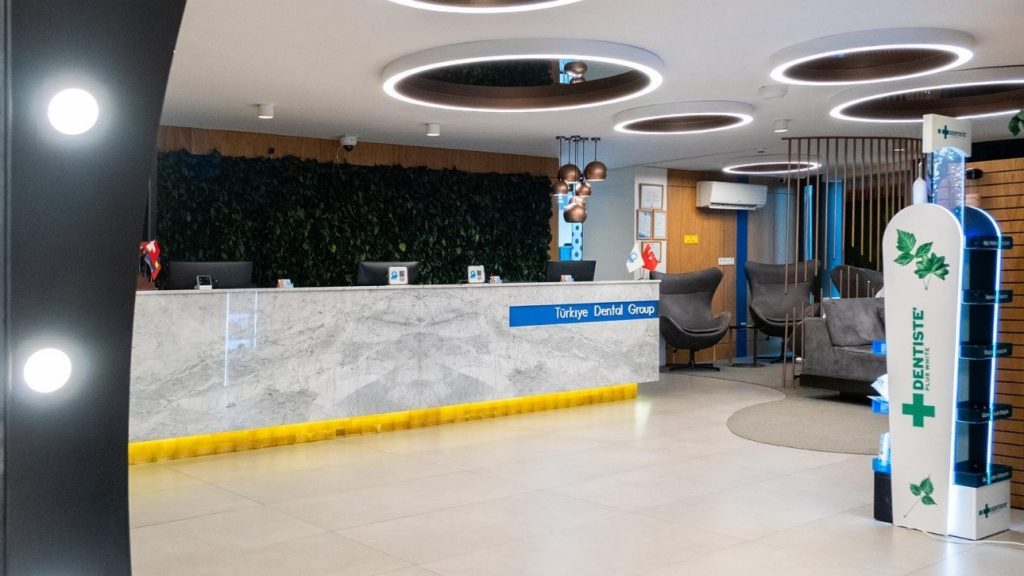


The waiting rooms in many Istanbul dental clinics sound less like local medical offices and more like airport lounges. English accents mix with German, French, and occasionally Arabic. A man scrolling through photos of his old smile sits beside a couple comparing hotel reservations. Dentistry, here, often begins with a suitcase.
Turkey’s reputation in dental tourism didn’t arrive overnight. Over the past decade, a quiet shift occurred as modern clinics began pairing advanced cosmetic procedures with prices that surprised patients accustomed to Western healthcare costs. Dental implants, zirconium crowns, laminate veneers, and the much-discussed Hollywood Smile—procedures that might stretch budgets in Europe or the United States—are suddenly within reach for many visitors willing to board a three-hour flight.
Cost is the most obvious explanation, though it’s not the whole story. Dental treatments in Turkey can be significantly less expensive than in Western Europe, even when clinics use comparable materials and technology. Patients often calculate the numbers with almost clinical precision: flights, hotel, treatment package, perhaps even a few days of sightseeing. The total still comes out lower.
Yet the appeal seems to extend beyond the spreadsheet.
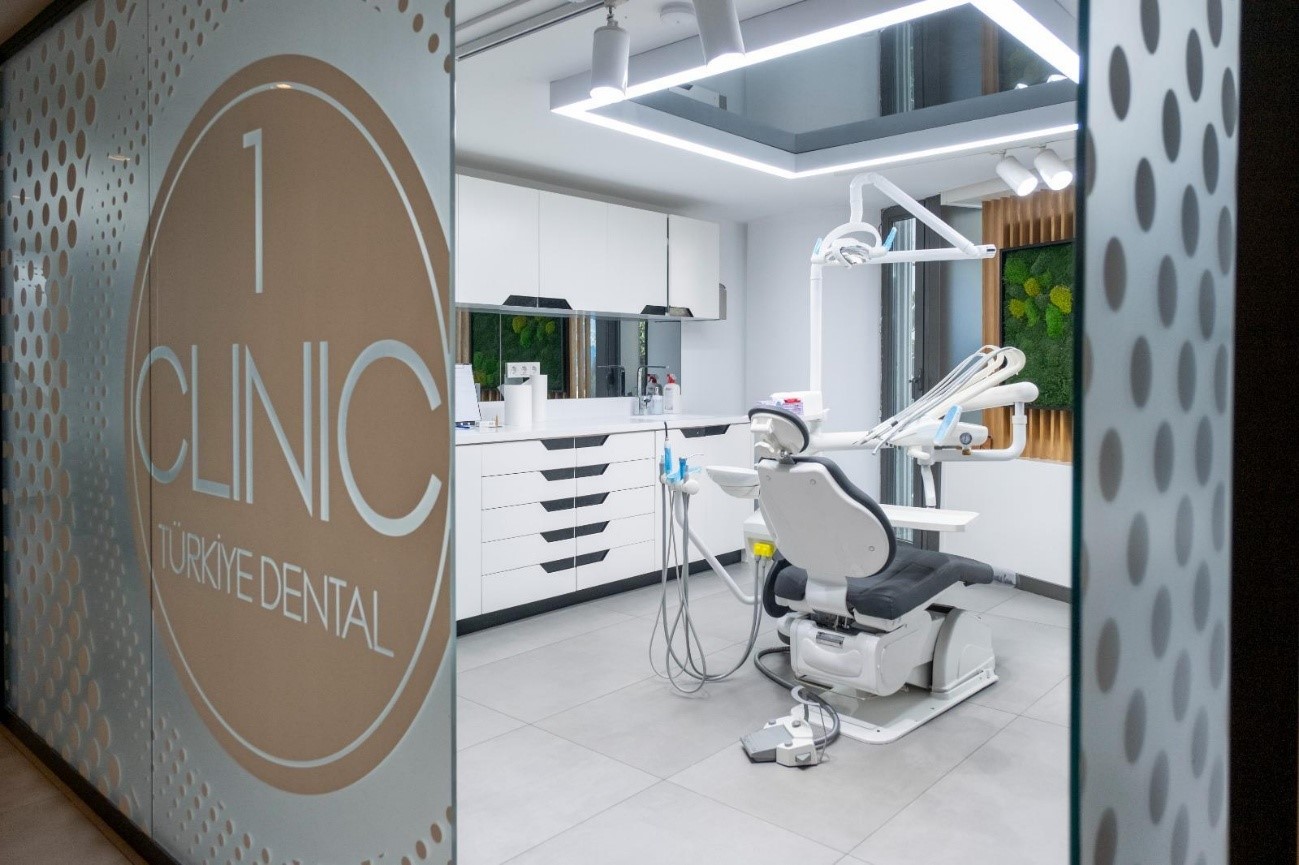
Step inside many of Istanbul’s larger dental centers and the infrastructure looks unmistakably global. Digital scanners replace old-fashioned molds. Computer software simulates future smiles before a single tooth is touched. Patients can see a projected version of their teeth on a screen—straightened, whitened, reshaped—long before treatment begins.
That preview matters.
Procedures like dental implants or full smile design are not minor decisions. They change a person’s appearance, sometimes permanently. Digital smile design technology gives patients a sense of control in what can otherwise feel like a leap of faith. Seeing a 3D simulation of the final result has a curious psychological effect: hesitation softens.
Implant dentistry plays a major role in Turkey’s rise. Missing teeth once meant removable solutions that rarely looked natural. Modern implants offer something closer to permanence, anchoring artificial teeth directly into the jawbone. Clinics across Turkey have invested heavily in these systems, particularly full-mouth restoration techniques such as All-on-4 or All-on-6 implant structures.
And then there are the crowns.
Zirconium and Emax crowns have become staples of aesthetic dentistry, partly because they mimic natural enamel with surprising accuracy. Laminate veneers, often used on front teeth, require minimal removal of the original tooth structure while dramatically reshaping a smile. These procedures now form the backbone of what clinics call smile design.
The phrase “Hollywood Smile” still makes some dentists wince slightly—it sounds more cinematic than clinical—but the demand is undeniable.
In practice, the treatment journey often unfolds with a degree of choreography. International patients typically arrive with a treatment schedule already mapped out. Airport pickup, hotel check-in, clinic consultation, digital scans, and then procedures spread over several days.
Some clinics have refined this process to an almost travel-agency level of organization.
Centers like Turkey Dental in Nişantaşı, along with others such as Türkiye Dental, Turkish Dental, Vita Clinic, and AZ Dental, operate with dedicated international coordinators who guide patients through the logistics. For visitors unfamiliar with the city, this coordination becomes part of the attraction. Medical care blends with hospitality.
Halfway through researching these clinics, I caught myself wondering when dentistry quietly became part of the travel industry.
The model works largely because time is compressed. Procedures that might require months of staggered appointments elsewhere are often scheduled in concentrated blocks. Patients spend a week in Istanbul and return home with a transformed smile.
This efficiency explains why many visitors come from the United Kingdom. Waiting lists for dental work there can stretch uncomfortably long, especially for cosmetic procedures that are rarely covered by public healthcare systems.
In Istanbul, treatment begins almost immediately.
There’s also an element of reputation at play. As successful cases accumulate—friends telling friends, photos circulating online—the country’s standing in dental care grows organically. A patient returning home with carefully sculpted zirconium crowns becomes an informal ambassador.
And dentistry, perhaps more than many fields of medicine, is visible.
Every conversation, every photograph, every laugh reveals the results.
Turkey’s dental tourism industry continues to expand, shaped by technology, economics, and the simple human desire for a confident smile. In Istanbul’s clinics, that transformation often begins with a mirror, a digital scan, and a patient studying a version of their future teeth on a screen.