


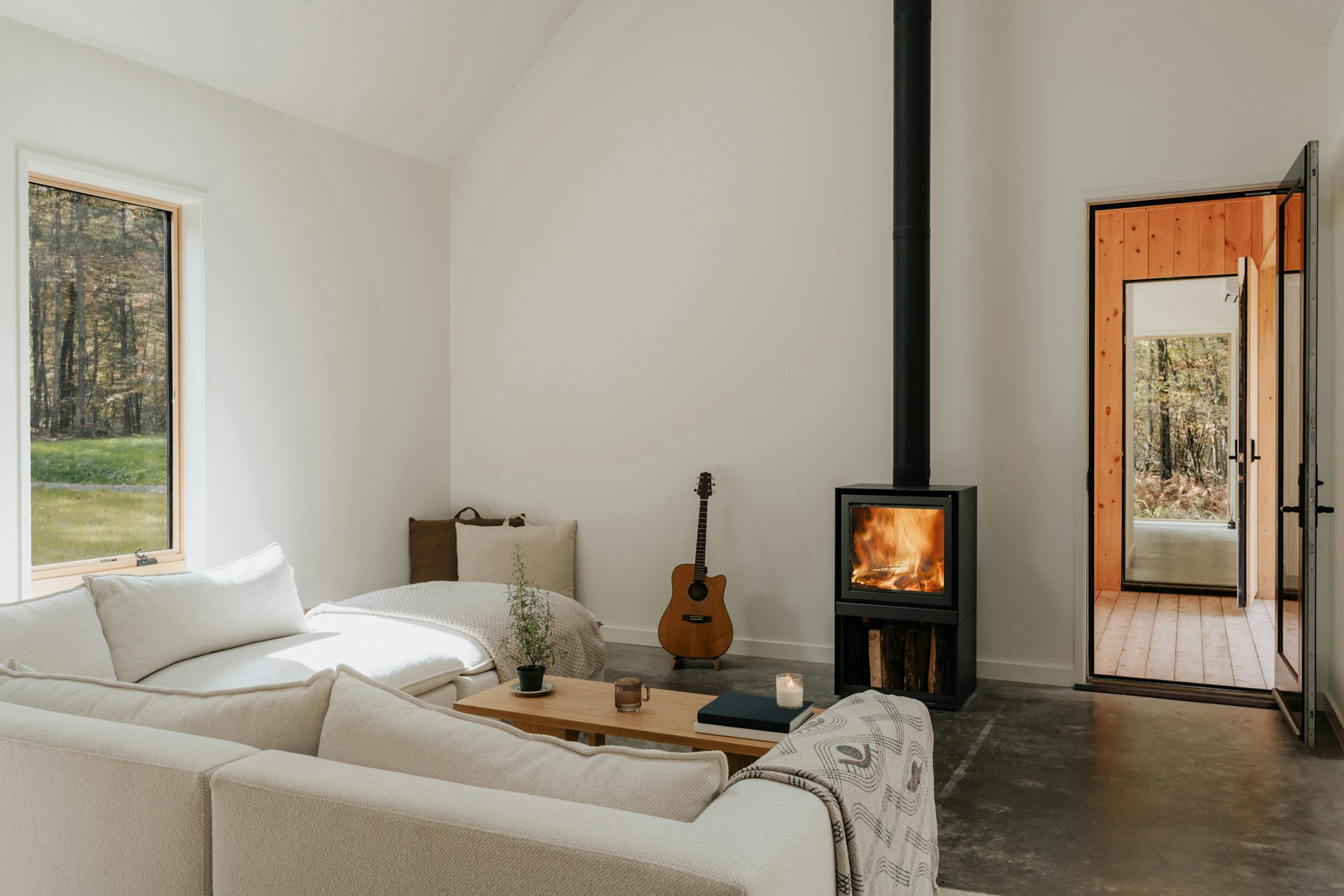
Households across the UK face the perennial challenge of staying comfortable without facing an unmanageable financial burden. You do not need to choose between a freezing living room and a depleted bank account, nor does efficiency require you to undertake expensive renovations.
Keeping the cold at bay often comes down to understanding exactly how your property loses heat and implementing targeted measures to trap it. By making a few strategic adjustments to your home environment and daily routines, you can create a sanctuary that retains warmth far more effectively.
Improve Home Insulation
Heat escapes rapidly through poorly insulated roof spaces and gaps around windows, forcing your heating system to work overtime. You retain significantly more warmth by ensuring your loft insulation is efficient.
Draught-proofing strips applied around window frames and door edges prevent cold air from rushing in and displacing the warm air you pay to generate. Thick curtains with thermal linings also act as a robust barrier against the glass, keeping the chill outside where it belongs.
Boiler Efficiency and Upgrades
A heating system running inefficiently wastes fuel every time it fires up. You can often lower the flow temperature on a combi boiler, which helps the system run in condensing mode more often without affecting the temperature of your hot water.
If your current model is over ten years old, it might be converting only a portion of fuel into usable heat. Many new boilers achieve efficiencies of over 90%, meaning almost every penny you spend on gas actually warms your home.
Regular annual servicing clears out soot and debris that clog the system, ensuring the unit operates at peak performance throughout the coldest months.
Smart Heating Controls
Heating an empty room burns money unnecessarily. You gain better precision by installing thermostatic radiator valves (TRVs), which allow you to set different temperatures for specific rooms based on how often you use them.
Smart thermostats take this a step further by learning your schedule and turning the heating off automatically when you leave the house, preventing the boiler from firing when the building is already warm enough.
Everyday Energy-Saving Habits
Furniture placed directly in front of radiators blocks heat from circulating into the room. You allow warmth to flow freely by moving sofas and beds away from heat sources.
Bleeding radiators releases trapped air bubbles that create cold spots and force the system to work harder than necessary to reach the desired temperature.
Sunlight provides free heat, so opening curtains during the day lets the warmth in, while closing them at dusk traps it inside.
Maximise Heat From Every Pound You Spend
Even the most efficient boiler and well‑insulated home can underperform if the heat you generate is not being used to its full potential. Small behavioural tweaks and low‑cost adjustments can make a noticeable difference to how warm your home feels without increasing your energy bills. Simple actions such as keeping internal doors closed help contain warmth in the rooms you use most, preventing heat from dissipating into hallways and unused spaces.
Layering soft furnishings also plays a surprisingly powerful role. Rugs on hard floors reduce heat loss through the ground level, while throws and cushions add insulation to seating areas, making rooms feel warmer at lower thermostat settings.
