


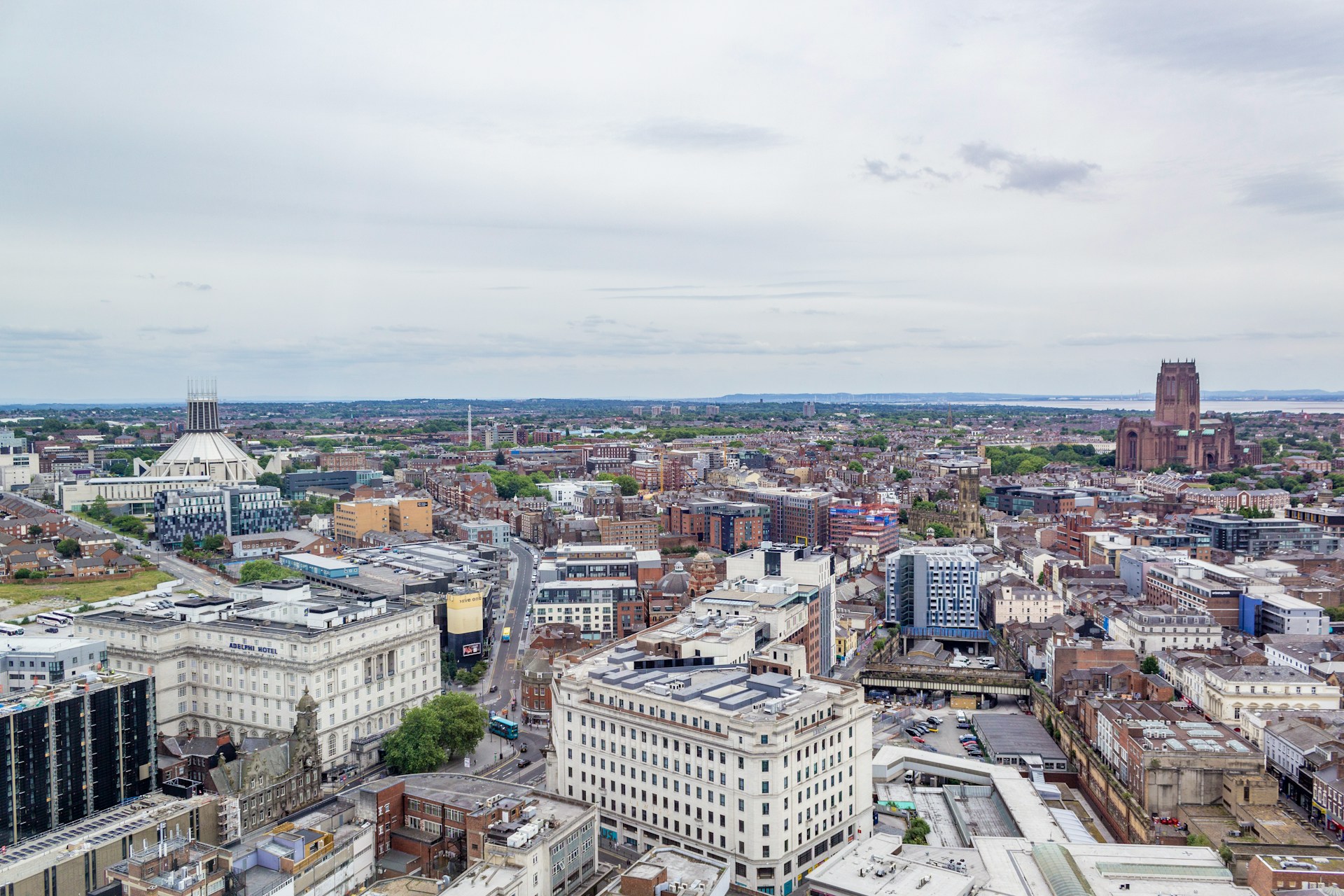
There are cities that attract property investors through novelty and cities that attract them through durability, and Liverpool, as it moves through 2026, sits firmly in the second camp. The appetite for the city has not dimmed so much as matured, shifting from the speculative enthusiasm of earlier cycles towards something more grounded in the fundamentals that serious long-term investors actually care about.
Higher borrowing costs and a tightening regulatory environment have prompted some landlords to reconsider their exposure to traditional buy-to-let, and that reassessment has in some respects worked in Liverpool’s favour. Investors who remain active in the market are being more selective, and a city that offers genuine affordability alongside credible regeneration and resilient occupier demand is precisely what many of them are looking for.
Set against most of its regional peers, Liverpool still offers relatively accessible entry pricing, and the yields available in many parts of the city remain competitive by any reasonable measure.
That combination has taken on greater importance as the investment conversation has shifted away from pure capital growth towards income performance and underlying demand. Supply in the most sought-after central locations has consistently lagged behind what a growing population of young professionals, returning graduates and students actually needs, and that imbalance continues to keep occupancy levels healthy.
The economic backdrop has also changed considerably over the past decade, and largely for the better. Sustained investment in the waterfront, in commercial infrastructure and in the public realm has broadened the city’s base well beyond its traditional industries. Digital and creative businesses, healthcare and life sciences, and professional services have all expanded their footprints, bringing with them a workforce that wants to live close to where it works, and that drives year-round demand for well-located rental accommodation.
The student market deserves particular attention. Liverpool’s universities collectively enrol upwards of 70,000 students, a figure that by itself would sustain a considerable rental sector, but the more significant dynamic in recent years has been what happens after graduation. A growing proportion of those students are staying, drawn by improving employment prospects and a cost of living that compares favourably with graduate destinations further south. That retention has fed directly into demand for modern city centre apartments, particularly in areas with strong transport connections and a concentration of employers.
The districts that have benefited most visibly from regeneration activity, among them the Baltic Triangle, the Knowledge Quarter and the expanding Liverpool Waters scheme, continue to draw investor attention precisely because they are being reshaped in ways that align with how tenants now want to live. Walkability, access to leisure and cultural amenities and reliable public transport connections have moved near the top of many renters’ priority lists, and the areas where those attributes are coming together most convincingly are the ones seeing the strongest occupier interest.
For investors, the practical implication is a clearer tilt towards new-build and recently developed schemes over older housing stock that would require significant capital expenditure to meet current tenant expectations on energy performance and amenity standards.
The broader north-south affordability dynamic also continues to work in Liverpool’s favour. With price growth in London and across much of the South East remaining subdued by stretched valuations, investors casting around for better relative value have increasingly looked to regional cities where the entry cost is lower, the income yield is stronger and the long-term case rests on something more than cyclical momentum. Improved rail connections and a sustained programme of inward investment have added to that confidence over time.
Property investment of any kind requires careful analysis and a clear-eyed view of the risks, and Liverpool is not without its complexities. Supply pipelines in some areas are growing, lending conditions remain tighter than they were and regulatory changes continue to reshape the economics of private landlordism. But the city’s core characteristics, a deep and diverse rental population, a regeneration story that still has years to run and a pricing level that leaves room for genuine returns, give it a resilience that is hard to find elsewhere in the regional market.
